
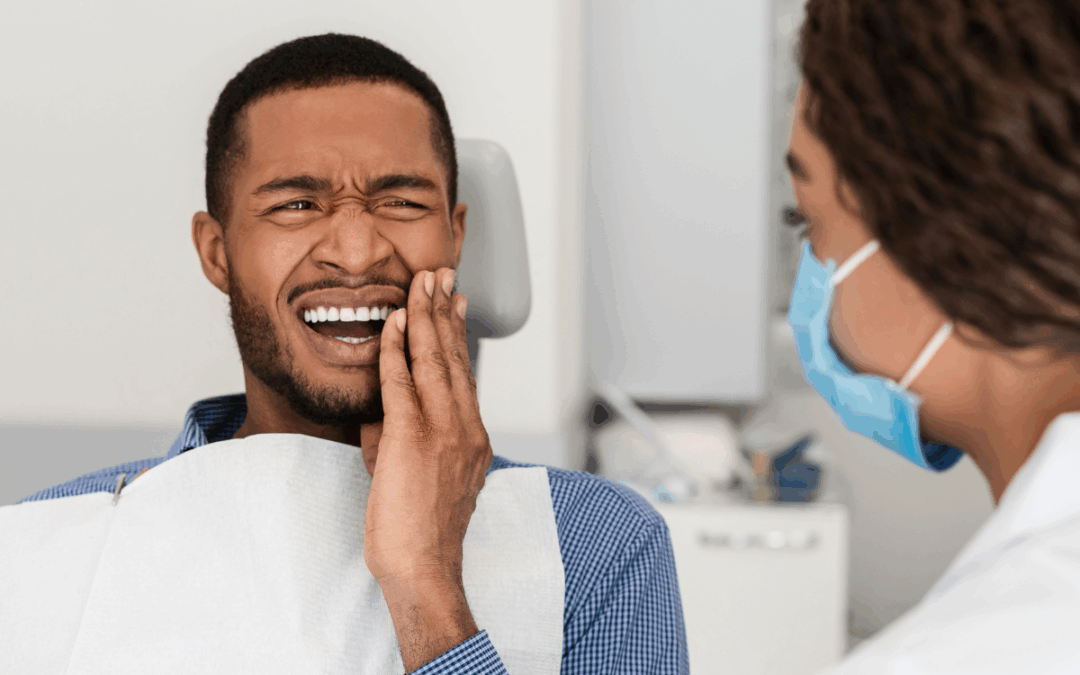
When a dental crown detaches, the underlying tooth becomes exposed to harmful bacteria, temperature fluctuations, and the pressures of biting and chewing. This is more than just an inconvenience, as it can result in immediate damage to the exposed tooth or underlying structure. Tooth caps often fail due to normal wear and tear, but once dislodged, the exposed tooth becomes vulnerable, which necessitates prompt attention. If left untreated, the exposed tooth could become prone to decay, sensitivity, or even severe damage.
When You Must Act Without Delay
If you experience sharp pain, swelling, or notice a jagged edge irritating your tongue or cheek, seek professional help right away. Delaying treatment could lead to more severe issues, such as infection or further damage to the tooth. In such cases, treat it as an emergency and seek emergency dentistry in Anderson immediately. For less severe situations, contact an emergency dentist near me to assess and stabilize the tooth until a permanent solution is found.
Contact an emergency dental clinic if:
- There is significant pain, swelling, or bleeding.
- You cannot temporarily reattach the cap.
- The exposed tooth feels unstable or fractured.
- You are unsure how long the crown has been missing, as the tooth may have shifted.
Immediate Steps To Take For Optimum Protection
If your tooth cap has fallen out, time is of the essence. Delaying treatment can lead to severe tooth damage, infection, or even the need for more extensive procedures. Act quickly and follow these steps to protect your tooth until you can see your dentist:
- Retrieve the detached part and gently clean it with warm water, avoiding scrubbing or using harsh cleaning materials.
- Rinse the affected area with warm water and avoid chewing on that side of your mouth to prevent further irritation or injury.
- Do not attempt to reattach the crown using household adhesives or superglue, as these can cause more harm than good and complicate your treatment.
- In the meantime, eat soft foods and keep the area clean with gentle brushing to avoid additional damage or infection.
Why Is It More Than Just An Inconvenience?
A lost tooth prosthesis exposes the underlying tooth to increased risk of decay, gum irritation, and potential fractures. The protective barrier provided by the tooth cap is gone, and the tooth is vulnerable to bacteria, acid, and stress from chewing. Over time, the exposed tooth may start to weaken, leading to further complications, including the potential need for root canal therapy. If left untreated, the tooth can be damaged beyond repair, requiring more invasive treatment in the future.
If you are unsure whether your situation is urgent, finding an emergency dentist near me can help ensure that your tooth is protected and treated right away to prevent any further damage or discomfort.
For individuals undergoing restorative or orthodontic treatments, losing a cap can cause additional problems. For example, if you are receiving orthodontic care, a missing tooth prosthesis can disrupt your treatment plan, especially if it affects tooth alignment or causes irritation to your gums.
How An Emergency Dentist Will Address A Broken Or Fallen Crown
When you visit the dental office, they will assess the situation carefully:
- The crown will be examined to determine if it can be re-cemented or if it needs to be replaced entirely.
- The exposed tooth will be evaluated for decay, cracks, or other potential damage that may require additional treatment, such as a filling or a root canal.
- If necessary, a new one may be fabricated and installed, or a temporary cap may be placed while the permanent one is being prepared.
- A dentist will also provide recommendations to prevent further issues, including wearing a night guard if grinding or clenching is suspected.
Preventing Future Failures
To reduce the risk of a fractured tooth cover in the future, consider the following preventive measures:
- Brush and floss around your crown regularly to keep the area clean and prevent plaque buildup, which can lead to decay.
- Avoid chewing on hard items, like ice, hard candies, or sticky sweets, that can place unnecessary stress on the crown.
- If you have a history of teeth grinding, speak to your dentist about getting a custom night guard to protect your crowns while you sleep.
If you do experience a crown detachment or any complications despite these precautions, seeking emergency dentistry in Anderson ensures that you receive prompt treatment to protect your tooth and avoid further damage.
Prompt, Professional Care Makes The Difference
While a fractured tooth cover may not seem like an urgent issue at first, it can quickly develop into a significant problem if left unaddressed. Timely professional care is essential to avoid further damage, preserve the exposed tooth, and ensure that your restoration lasts. At Pray Family Dentistry, we offer comprehensive care that addresses not only immediate dental concerns but also helps prevent future complications. If you have lost a crown or have any concerns about your dental restoration, contact us today to schedule an appointment. Our team is ready to provide the prompt, effective care you need to protect your smile for the long term.
What should I do immediately when a crown falls off?
Retrieve the detached cap if possible and keep it clean. Contact your dental provider to secure an appointment promptly and avoid chewing on the exposed tooth until you’re seen.
Can I still eat if my crown has fallen out?
Yes, but only soft foods, and avoid chewing on the affected side. Eating hard or sticky items may damage the now-exposed tooth and increase the risk of further complications.
Does a crown falling off always mean the tooth underneath is damaged?
Not always, but the exposed tooth is now vulnerable to bacteria, decay, or fractures. Your dental provider must assess the structure and determine if the original crown can be reused or replaced.
How long can I wait to have a crown reattached or replaced?
You should seek professional care as soon as possible. Delaying care allows bacteria and acid to attack the exposed surface, increasing the risk of further treatment or tooth loss.
Why did my crown come loose or fall off?
Common causes include decay under the crown, worn adhesive, hard or sticky food, or teeth grinding. Identifying the root cause helps your provider prevent future dislodgements and improve long-term results.