
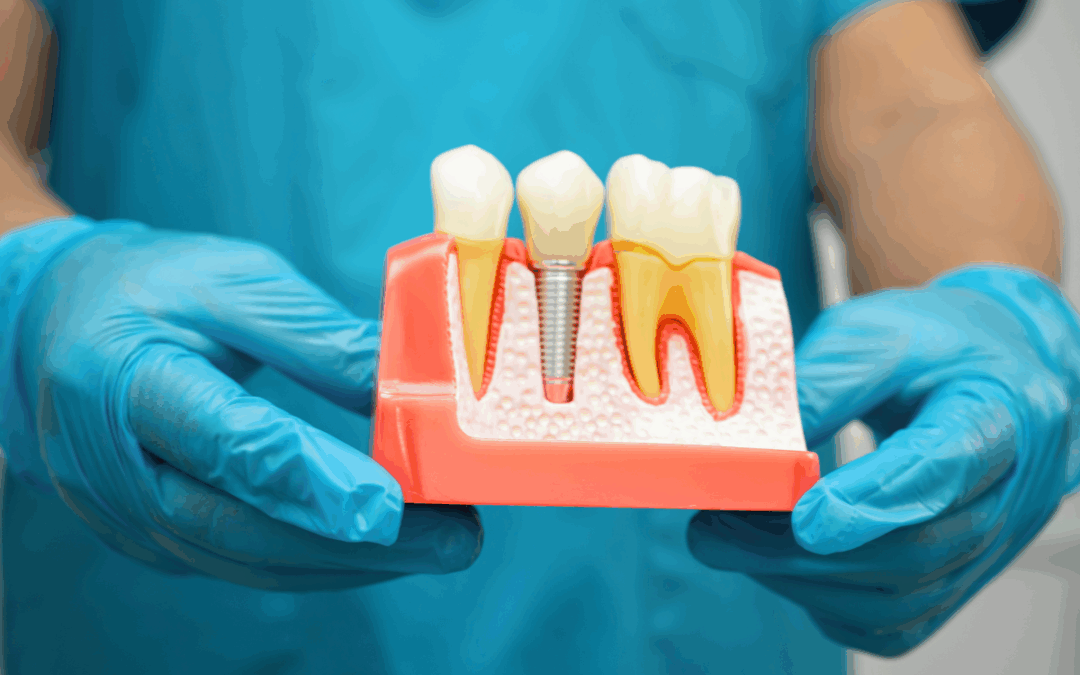
A healthy smile is more than just appearance. It plays a direct role in overall health and longevity. Missing teeth can affect nutrition, speech, and even confidence. Over time, these issues may impact quality of life in ways many people do not expect. For individuals looking to restore function and stability, modern restorative solutions like dental implants offer more than cosmetic improvement. They support long-term health, helping patients eat better, speak clearly, and stay socially active. There’s more! Continue reading before considering this permanent solution.
Can Tooth Loss Affect Your Overall Health?
Yes, and the impact goes beyond the mouth.
When teeth are missing, chewing becomes less efficient. This often leads to avoiding harder, nutrient-rich foods such as fruits, vegetables, and lean proteins. As a result, the body may not receive essential nutrients needed for overall wellness.
Research from the National Institutes of Health shows a strong link between poor oral health and systemic conditions such as heart disease and diabetes. Difficulty chewing can also affect digestion, as food is not broken down properly before swallowing.
How Do Dental Implants Support Long-Term Oral Health?
Permanent dental restorations that replace missing teeth restore full function and overall oral health.
By allowing comfortable chewing, the prosthesis supports proper digestion and nutrient absorption. This is especially valuable during local gatherings, seasonal celebrations, or weekend meals with family and friends at outdoor spots like Three Notch’d Brewery or Anderson County Farmers Market.
Throughout the recovery and care process, dental implants in Anderson, SC, provide a stable, long-term solution that integrates with the jawbone. This preserves bone density and also helps maintain facial structure. In the long run, it supports both oral function and confidence for a lifetime.
How Implant-Supported Teeth Help Preserve Bone & Facial Structure?
One of the most important benefits is their ability to preserve bone. When a tooth is lost, the jawbone in that area begins to shrink due to a lack of stimulation. This process, known as bone resorption, can change facial appearance over time and weaken surrounding structures. Implanted teeth act like natural tooth roots, stimulating the bone and helping maintain its density. Studies show that an implant surgery significantly reduces bone loss compared to traditional removable options.
Why Prosthetic Teeth Matter For Lifelong Oral Health?
While they do not directly increase lifespan, dental implants in Anderson support several factors that contribute to long-term health:
- Maintain Proper Nutrition – Restoring chewing ability allows you to enjoy a balanced diet and get essential nutrients.
- Preserve Jawbone Health – It reduces the risk of bone deterioration that can occur after tooth loss.
Support Clear Speech – A full set of teeth helps with articulation and confidence in communication. - Boost Confidence and Social Engagement – Having a natural, functional smile encourages active participation in daily life.
- Promote Better Health Habits – Patients with prosthetic teeth often maintain more consistent oral hygiene and regular dental visits.
Why Stability Matters For Everyday Life?
Stability affects more than comfort—it impacts daily confidence. Unlike removable options, dental implants in Anderson, SC, stay securely in place. This allows patients to eat, speak, and smile without hesitation. Now, you can enjoy your day at the Soirée without being conscious of your smile. Fixed dental prosthetics are a reliable smile solution that instills confidence at every moment.
How Artificial Tooth Roots Support An Anderson Lifestyle?
Life in The Electric City is closely tied to the outdoors, community events, and seasonal gatherings that bring people together.
Warm summers often mean time spent near spots like Lake Hartwell, where outdoor meals, grilled foods, and refreshing drinks are part of the experience. These habits can place extra demand on chewing ability and overall dental function.
Seasonal changes, including cooler evenings and spring festivals, also introduce a variety of foods and temperature shifts that may affect sensitivity and comfort.
Having a strong, stable smile allows you to fully enjoy these everyday moments—whether it’s sharing a meal by the water or spending time at local events—without hesitation or discomfort.
What Makes Oral Prostheses A Lifelong Solution?
Several factors make implants one of the most durable and reliable options available today:
- They integrate with the jawbone: This creates a stable foundation that mimics natural tooth roots.
- They help preserve surrounding bone: This prevents long-term structural changes in the face.
- They do not rely on neighboring teeth: Unlike bridges, artificial tooth roots do not require support from adjacent teeth.
- They are designed for long-term function: With proper care, they can last for decades.
In fact, the surgery has a success rate that exceeds 95%, making it one of the most predictable procedures in modern dentistry.
How Do They Compare To Other Tooth Replacement Options?
Compared to bridges or dentures, implants offer:
- Better stability
- Improved chewing efficiency
- Reduced bone loss
- Longer lifespan
While other options may require frequent replacement, implanted teeth are made for durability and long-term function.
Stress-Free Implant Treatment Near You In Anderson
At Pray Family Dentistry, we understand that replacing missing teeth is not just about aesthetics. It’s about restoring balance, function, and confidence in your daily life.
Investing in a long-term solution with our team can improve comfort, support proper nutrition, and enhance overall well-being. Every treatment plan is personalized to meet your unique needs and lifestyle. If you’re ready to reclaim your smile and enjoy lasting confidence, schedule a consultation with us today. Our team will guide you through an evaluation and create a clear, stress-free plan to restore both your smile and your quality of life.
Frequently Asked Questions (FAQs)
1. How do I know if I am a good candidate for dental implants?
A successful candidate typically has adequate jawbone density and healthy gums to support titanium dental posts. A thorough examination and medical history review are necessary to determine suitability.
2. What to expect during the prosthetic teeth healing process?
After implant placement, bone and tissue gradually integrate with the dental post over several months to provide a stable foundation. You may experience mild discomfort and swelling initially, but these symptoms usually resolve during the healing period.
3. Is dental implant surgery a safe procedure?
Prosthetic teeth surgery has a high success rate when performed by trained professionals and uses biocompatible materials like titanium. As with any surgery, there are risks, but complications are relatively rare with proper planning and care.
4. How long does osseointegration take after an implant is placed?
Osseointegration is the process by which the implant fuses with the jawbone, usually taking several months to achieve a strong bond. This stage is crucial to ensuring long-term stability and function of the artificial tooth roots.
5. What maintenance do dental implants require after placement?
Once fully healed, they need the same care as natural teeth, including brushing and flossing to prevent plaque buildup. Regular professional checkups help ensure the dental work remains healthy and functioning long‑term.