
A root canal removes infection and saves your natural tooth. However, the real outcome depends on what happens after the procedure. Many patients feel relief once the pain is gone. Still, the tooth needs time and proper care to heal and function normally. After spending a warm afternoon near Lake Hartwell or enjoying a meal downtown, even simple chewing can feel different right after treatment. That is because the treated tooth is still stabilizing.
This guide explains what to expect and how to protect your results. It covers what to eat, what to avoid, and how healing works over time. You will also understand when to return to normal habits and when to be cautious. For patients seeking consistent care and follow-up in Anderson, Pray Family Dentistry guides them every step of the way.
Why is a Root Canal Necessary?
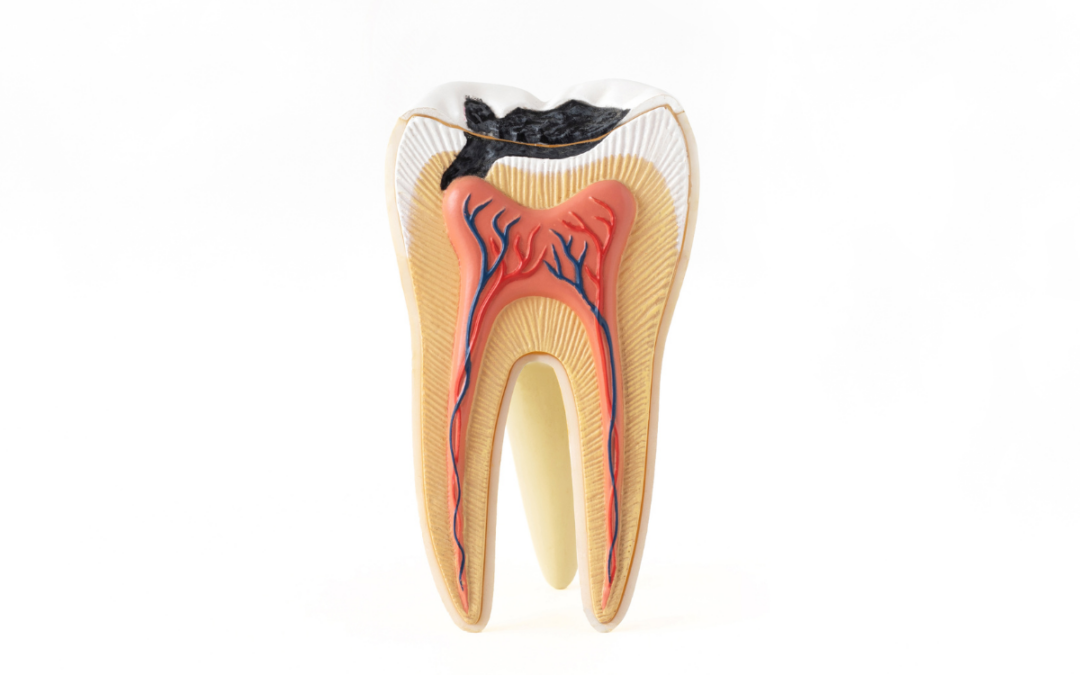
A root treatment becomes necessary when infection reaches the pulp inside your tooth. This inner layer contains nerves and blood vessels. Once infected, it cannot recover on its own. Common causes include:
- Deep cavities
- Cracked or damaged teeth
- Repeated dental procedures
- Injury to the tooth
If left untreated, the infection can spread, causing swelling, intense pain, and even tooth loss. A root treatment helps by removing the infection and sealing the tooth, so you can preserve your natural smile.
The 3 Stages of Aftercare Instructions
Here are the three stages:
Immediately After the Treatment
This stage begins right after your visit.
- Wait until numbness fades before eating.
- Avoid chewing on the treated side.
- Stick to soft foods
- Take prescribed medication if needed.
- Avoid touching or pressing the area.
This stage protects the tooth from accidental damage.
Over the Next Few Days
Healing becomes more stable, but the tooth still needs care.
- Brush gently around the area.
- Avoid hard or sticky foods.
- Chew on the opposite side.
- Watch for unusual pain.
Discomfort should gradually improve each day.
In the Future
Once healing is complete, focus shifts to long-term protection.
- Maintain consistent oral hygiene.
- Attend follow-up visits
- Avoid habits like grinding.
- Follow the recommendations for restoring the tooth.
This stage ensures the tooth remains functional for years.
Reality Following the Root Canal Treatment
Once the procedure is complete, the infection has been cleared, although the healing process continues. You might notice that the treated tooth feels a little less flexible because the pulp has been removed. However, don’t worry, since it’s all part of the healing process. Many people experience mild soreness, especially when biting, and some may notice a little sensitivity for a few days. It’s quite normal and usually temporary. Patients searching for a root canal in Anderson should understand what recovery actually feels like. They should also learn when it’s not normal, and they should visit a dental professional.
You will experience some symptoms after the treatment that are completely normal. Your body’s tissues just need a little time to settle. What really matters most during this period is how you take care of your teeth. On busy weekends at Carolina Wren Park or during local events, you might find that chewing on one side feels more comfortable than the other. That’s your body’s gentle way of telling you to be a bit cautious and listen to what it needs. This is when you need to learn about the dos and don’ts during the recovery period.
What Can You Eat After a Root Canal Treatment?
Your food choices can really help you feel more comfortable and support your healing. Try to pick soft and easy-to-chew foods to put less pressure on the treated tooth:
- Yogurt
- Mashed potatoes
- Scrambled eggs
- Oatmeal
- Smooth soups
- Bananas
These foods allow healing without stressing the tooth.
Foods to Avoid After a Root Canal
Avoid foods that can damage or irritate the tooth:
- Hard foods like nuts
- Sticky foods like caramel
- Crunchy snacks like chips
- Very hot or cold items
Avoid anything that requires a strong biting force.
When Can You Eat After a Root Canal Treatment?
Feel free to eat once all the numbness has gone, which usually happens after a few hours. Begin with gentle, soft foods and gradually get back to your regular diet. Remember to avoid chewing on the treated side until it feels comfortable and stable. After enjoying treats, eating softer foods for a few days can help protect and support your healing tooth. If you’ve recently had root canal therapy in Anderson, follow the dietary restrictions to get the best results.
Dos and Don’ts After a Root Therapy
Here they are:
What You Should Do
- Stick to soft foods for the first few days.
- Chew on the opposite side of your mouth.
- Take medications exactly as directed.
- Keep the area clean with gentle brushing.
- Stay hydrated to reduce sensitivity.
- Follow all recommended follow-up visits.
These steps help your tooth heal properly and reduce discomfort during recovery.
What to Avoid After Treatment
- Do not chew on the treated side too soon.
- Do not skip medications.
- Do not ignore persistent pain.
- Do not consume very hot or cold foods immediately.
- Do not delay follow-up care.
Ignoring these precautions can slow healing and increase the risk of complications.
How Proper Treatment Supports Long-Term Tooth Health?
Preserving your natural tooth is always the best goal. When you properly care for a well-treated tooth, it can serve you well for many years to come. Many people opt for root therapy to keep their natural bite intact and avoid extraction. This thoughtful choice helps maintain proper alignment, chewing comfort, and overall oral health. With attentive care and regular follow-up, your treated tooth can seamlessly return to your everyday routine, supporting your smile and confidence.
Protecting Your Smile After Treatment with Us
A root treatment helps solve the problem, and taking good care afterward really helps maintain the result. Remember, every decision you make after the procedure can influence how smoothly your tooth heals and stays healthy. Healing is a continuous journey that goes beyond just the procedure. It unfolds through your daily routines and the support of follow-up care from professionals. For patients looking for structured care and long-term guidance, visit our dental office. At Pray Family Dentistry, we support every stage of recovery and help maintain a strong, healthy smile. Don’t wait any longer and book an appointment today.
FAQs
How soon can normal activities resume after treatment?
Most daily activities can resume the same day. However, avoid strenuous chewing or pressure on the treated side. Give your body time to adjust and allow the area to stabilize before returning to full use.
Can sensitivity last longer than expected?
Mild sensitivity may last a few days. It depends on how the tissue responds. If sensitivity continues beyond a week or worsens, it should be evaluated to rule out complications or incomplete healing.
Is it safe to brush near the treated area?
Yes, but use a gentle approach. Avoid aggressive brushing. Keeping the area clean helps prevent bacteria buildup and supports proper healing without disturbing the treated tooth.
Why does the treated tooth feel different?
The tooth no longer has active nerves inside. This can change how it feels when biting. The sensation usually normalizes over time as surrounding tissues adjust to the change.
What happens if aftercare instructions are ignored?
Ignoring aftercare can lead to discomfort, delayed healing, or damage to the tooth. Following guidance protects the structure and ensures the treatment remains effective over time.
Can the treated tooth get infected again?
Reinfection is rare but possible. It may occur if bacteria enter the tooth again. Maintaining good oral hygiene and attending follow-ups reduces this risk significantly.