
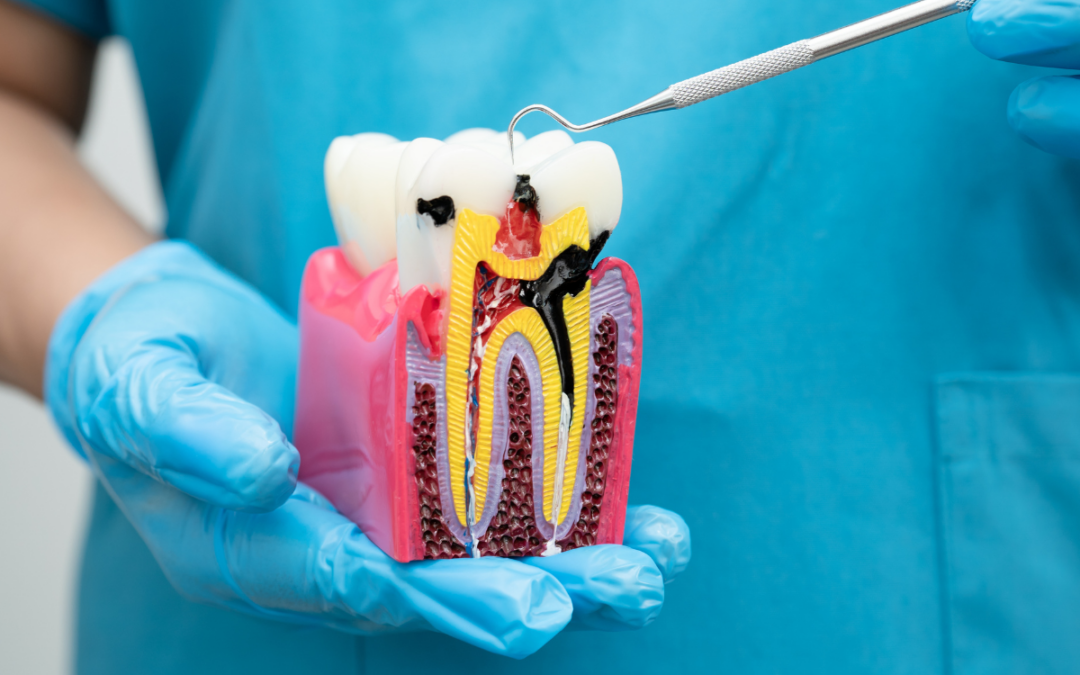
A root canal leaves the treated tooth and surrounding gum tissue a little tender, and many patients wonder what they can do afterward, particularly when it comes to brushing. Maintaining good oral hygiene is essential after any dental procedure, but it’s important not to disturb the healing area.
At Pray Family Dentistry, we understand the concerns of our patients in Anderson, and we’re here to provide clear guidance on how to care for your teeth after a root canal. Here’s what we tell our patients when they ask whether brushing their teeth right after the RCT is okay.
Is It Safe to Brush After an RCT?
When considering whether you can brush your teeth immediately after an RCT, it’s important to take a few factors into account. Generally, brushing after a root canal in Anderson or elsewhere nearby is possible, but it’s important to approach the process with caution.
1. Wait Until the Numbness Wears Off
During your root canal therapy in Anderson, your dentist will use local anesthesia to numb the affected area. This ensures that you are comfortable throughout the procedure. However, it’s important to wait until the numbness wears off before brushing your teeth. Brushing too soon, while the area is still numb, could lead to accidental injury to your gums or tongue. Once the anesthesia has worn off, you can resume brushing carefully around the treated area.
2. Use a Soft-Bristled Toothbrush
After an RCT, the treated tooth may be sensitive, so it’s important to use a soft-bristle toothbrush. A soft-bristled brush helps clean your teeth effectively without irritating the treated tooth or the surrounding gums. Be gentle when brushing near the treated area to avoid causing any discomfort or aggravating the healing process.
3. Avoid the Treated Area if It’s Tender
In some cases, the treated tooth may feel tender for a few days after the procedure. If this is the case, it’s important to avoid brushing directly on the treated tooth. Instead, focus on brushing the surrounding teeth and being gentle near the treated area. Your dentist will recommend when it’s safe to resume normal brushing.
4. Use a Fluoride Toothpaste
While brushing after a root canal is important for maintaining oral hygiene, it’s crucial to use fluoride toothpaste. Fluoride helps strengthen your teeth’s enamel and protects against tooth decay. Avoid using abrasive or whitening toothpaste immediately after the procedure, as these can irritate or sensitize the treated area.
Key Aftercare Tips for Root Canal Treatment
While brushing after this procedure is important, there are additional aftercare steps to help ensure a smooth, successful recovery. After undergoing root canal therapy in Anderson at the dental office or any nearby location, here’s what you should keep in mind to promote healing and maintain optimal oral health:
1. Avoid Eating Hard or Sticky Foods
After your RCT, it’s important to avoid hard, sticky, or chewy foods, especially on the treated side of your mouth. These types of foods can put unnecessary pressure on the treated tooth and disrupt the healing process. Stick to softer foods for a few days following the procedure to give your tooth time to heal properly.
2. Take Pain Relief as Directed
Mild discomfort or swelling is common after a root canal, but this can usually be managed with over-the-counter pain relievers, such as ibuprofen. If your dentist prescribes any pain medication, be sure to take it as directed. If the discomfort worsens or doesn’t subside after a few days, don’t hesitate to contact our office for further guidance.
3. Follow Up with Your Dentist
It’s important to attend a follow-up appointment after your RCT. The dental practitioner will check the healing progress of your treated tooth and ensure that no complications, such as infection or reinfection, have occurred. A follow-up appointment also allows you to discuss any concerns or questions you may have about your recovery.
4. Consider a Crown for Protection
In most cases, a crown will be placed on the treated tooth after the root canal. A crown restores the tooth’s strength and function while protecting it from further damage. Your dentist will discuss the best restoration options with you and guide you through the process of getting a crown to ensure the longevity of your treated tooth.
5. Maintain Good Oral Hygiene
Proper oral hygiene is crucial after a root canal. Brush your teeth twice daily, floss regularly, and rinse with an antimicrobial mouthwash to reduce bacteria and keep your mouth clean. Maintaining good oral hygiene will help prevent reinfection and ensure that your treatment remains effective in the long term.
Common Mistakes to Avoid After an RCT
Even if you’re taking good care of your teeth, some habits can interfere with your recovery. Here are a few things to avoid:
- Brushing too aggressively: Applying too much pressure won’t clean better but can irritate the healing area and cause discomfort.
- Using whitening toothpaste: These formulas are often abrasive and can increase sensitivity in the treated area.
- Neglecting the treated tooth: Skipping brushing near the treated area can lead to plaque buildup and gum irritation.
- Using a hard-bristled toothbrush: Firm bristles can cause unnecessary discomfort and exert extra pressure on sensitive areas.
Need Assistance After a Root Canal? Reach Out to Pray Family Dentistry
If you’re unsure whether your oral care routine is aiding or hindering your recovery, we’re here to help. Whether you’ve just undergone a root canal in Anderson or are preparing for one, our team at Pray Family Dentistry can guide you through every step of the process.
Call us at 864-966-8661 to schedule your root canal consultation today!
FAQs
Is It Safe to Use Electric Toothbrushes After a Root Canal?
Yes, you can use an electric toothbrush after a root canal, but it’s essential to use light pressure. Most electric toothbrushes do the work for you, so there’s no need to apply extra force. If the treated area feels tender, consider switching to a sensitive or low-power mode until the tooth heals. For the first day or two, avoid lingering over the treated tooth.
What Kind of Toothpaste Should You Use After a Root Canal?
After a root canal, it’s best to use a non-abrasive, gentle toothpaste, especially one formulated for sensitive teeth. These toothpastes help reduce irritation and soothe the nerve endings around the treated area. Avoid whitening or charcoal-based toothpastes for the first few days, as they can be too abrasive and may increase sensitivity in the treated tooth.
What Should You Do if You Experience Pain While Brushing After a Root Canal?
If brushing causes discomfort, reduce the pressure around the treated area and brush gently. Switching to a soft-bristled toothbrush or a sensitive toothpaste can also help alleviate discomfort. You can rinse the area with warm salt water to soothe it. If pain persists after a few days, it’s a good idea to contact your dentist to ensure the tooth is healing properly.
Can Brushing Too Soon Affect the Healing Process?
Brushing too soon is generally not harmful, but brushing too aggressively can irritate inflamed tissue and prolong tenderness. It’s best to wait until the numbness from the anesthesia wears off before brushing gently. This will help you maintain good oral hygiene without disturbing the healing tooth.
Can I Resume Flossing After a Root Canal?
Yes, you can resume flossing after a root canal. However, be gentle around the treated tooth and follow your dentist’s recommendations for a full oral care routine. This will help you keep your teeth and gums healthy as they continue to heal.