
Replacing a missing tooth is an important step toward restoring more than the appearance of your smile. Once a dental implant has been placed, however, the treatment is not quite finished. Your mouth needs time to heal, and understanding what happens during that period can make the recovery process easier to manage.
Patients commonly want to know how much discomfort to expect, what they can eat, when they can return to normal activities, and how long it takes before the implant feels like a natural part of their smile. Although every patient heals differently, implant recovery generally progresses through several stages.
At Pray Family Dentistry, we help patients understand each phase of treatment so they know what to expect as their smile is restored. Dr. Matthew A. Pray takes a comprehensive approach to dental care, considering each patient’s individual dental needs while helping them maintain a healthy mouth as part of their overall health.
What Happens Immediately After Dental Implant Placement?
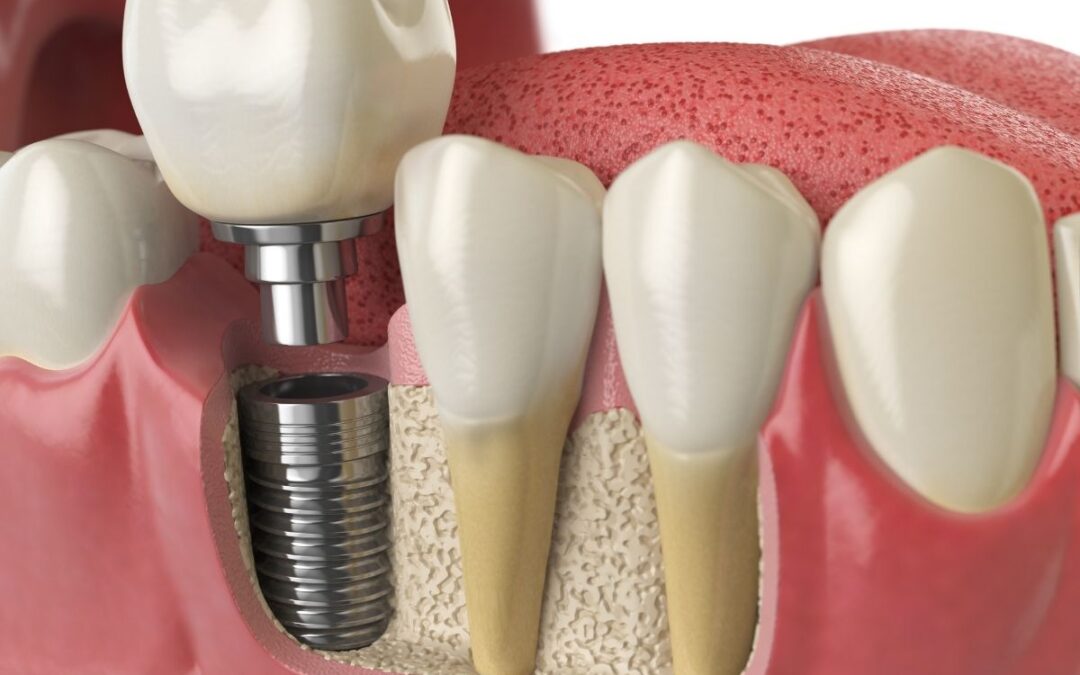
The first few hours after implant placement are primarily about protecting the surgical area. The implant itself is positioned in the jawbone to serve a role similar to the root of a natural tooth.
As the numbness from the procedure wears off, you may begin noticing tenderness around the treatment area. Some swelling, minor bleeding, or soreness can occur following oral surgery. The amount varies depending on the individual and the extent of treatment.
During this initial period, carefully follow the post-treatment instructions provided by your dental team. Avoid repeatedly touching the surgical site with your tongue or fingers. The tissues need an opportunity to begin healing without unnecessary irritation.
Rest is also important. Even if you feel relatively comfortable after leaving the dental office, giving yourself some downtime can help you manage the first stage of recovery.
What Should You Expect During the First Few Days?
The first several days are usually when patients are most aware of the treated area.
Tenderness and swelling may be more noticeable during this stage before gradually improving. Your mouth may also feel different when speaking or eating because you are consciously protecting the implant area.
From our perspective as dental practitioners, one of the most important things patients can do during these early days is avoid judging the final result too soon. The implant treatment involves a biological healing process. Your gums and underlying bone need time to recover and adapt.
Patients receiving dental implants in Anderson should follow their individualized instructions rather than comparing their recovery with someone else’s experience. Factors such as the number of implants, implant location, oral health, and individual healing response can influence recovery.
Contact your dentist if something about your recovery concerns you instead of waiting for the next scheduled visit.
What Can You Eat After Getting an Implant?
Eating is one of the most common concerns after implant placement. During early healing, choose foods that require minimal chewing and place little pressure on the surgical area.
Appropriate choices may include foods such as:
- Yogurt
- Applesauce
- Scrambled eggs
- Mashed potatoes
- Soft cooked vegetables
- Oatmeal
- Pasta
- Other soft foods that are comfortable to chew
As healing progresses, you can gradually transition toward your regular diet according to your dentist’s recommendations.
Try not to test the implant by deliberately chewing hard foods on it. The fact that the area feels comfortable does not necessarily mean healing beneath the gums is complete.
How Long Does it Take to Heal?
There is an important difference between feeling better and being completely healed.
Initial gum tenderness can improve relatively quickly, but the deeper healing process takes longer. The treatment depends on developing a stable relationship with the surrounding jawbone. This biological process is commonly called osseointegration.
There is no single recovery timeline that applies to everyone. Your dentist needs to evaluate healing before determining when the implant is ready for subsequent stages of restoration.
This is one reason follow-up visits matter. Even when the implant feels completely normal, your dental team still needs to assess what is happening clinically.
Think of implant recovery as a process rather than a deadline.
Why Is Healing So Important for the Implant?
A natural tooth consists of a root and crown. Similarly, the dental implants offered at Pray Family Dentistry serve as the root portion, along with an artificial abutment and crown. This structure allows an implant to reproduce important aspects of the appearance and function of a natural tooth.
At our Anderson practice, implants may be considered for replacing one or more missing teeth. They can also provide support and stabilization for complete or partial dentures.
As the implant post functions differently from a removable tooth replacement, allowing the surrounding tissues to heal properly is an important part of building a stable foundation for the restoration.
How Should You Keep Your Mouth Clean While Healing?
Oral hygiene remains important after implant placement, but the surgical area needs to be treated carefully.
Follow the specific cleaning instructions you receive from your dental team. Other teeth still require regular oral hygiene even while the implant site heals.
The goal is to keep your mouth clean without unnecessarily disturbing healing tissue. Avoid aggressive brushing directly over a fresh surgical site unless you have specifically been instructed otherwise.
Once healing progresses, maintaining excellent oral hygiene becomes part of protecting your implant for the long term.
An implant cannot develop a cavity like a natural tooth, but that does not make oral hygiene optional. The gums and supporting tissues around an implant still need regular care.
When Can You Return to Your Normal Routine?
Your return to everyday activities depends partly on how you feel and the extent of your procedure.
Some patients may feel ready to resume much of their usual routine relatively soon, while others prefer additional recovery time. Follow any activity restrictions given by your dentist, particularly during the earliest phase of healing.
Do not use the absence of discomfort as your only indication that the area has completely healed.
If your job or routine involves strenuous physical activity, discuss your return to those activities with your dental team. Following individualized recommendations is preferable to trying to accelerate recovery.
What Happens During the Follow-Up Visits?
Follow-up care gives us an opportunity to assess how the implant site is progressing.
Your dental team can examine your gums, evaluate healing, discuss any symptoms you have noticed, and determine whether recovery is proceeding appropriately. These appointments also give you an opportunity to ask questions about eating, cleaning, or returning to normal activities.
If you are receiving dental implants in Anderson, staying consistent with follow-up appointments helps maintain continuity throughout the process.
Implant care should not feel like a procedure that ends when you leave the dental chair. Placement is one stage of a broader restorative process.
What Will the Final Dental Implant Feel Like?
One of the main goals of implant treatment is to restore everyday function while replacing missing teeth.
As an implant is designed with a root-like post and a restoration above it, the completed tooth is intended to replicate the appearance and function of a natural tooth. Implants can help restore chewing and speech, address problems associated with shifting teeth, and provide additional security for dentures when used for that purpose.
Another advantage is that implants can replace missing teeth without requiring adjacent teeth to serve as anchors.
Patients considering dental implants in Anderson should remember that the final experience depends on appropriate treatment planning, healing, restoration, and ongoing oral care rather than implant placement alone.
How Do You Care for Implants Long Term?
Once your implant treatment and healing are complete, your focus changes from recovery to maintenance.
Your daily routine should include consistent brushing and cleaning around the implant. Regular dental visits are also important because your dentist can evaluate the implant restoration as well as your gums, remaining natural teeth, bite, and overall oral health.
Avoid assuming that an artificial tooth no longer needs professional attention. Implants exist within living gum and bone tissues, so maintaining the health of the surrounding mouth remains important.
The same principle applies whether an implant replaces a single missing tooth or is used to help support a denture.
Can Dental Implants Make Everyday Activities Easier?
Missing teeth can influence several aspects of oral function. When teeth are absent, neighboring teeth may shift, and patients may notice changes in chewing or speech.
Pray Family Dentistry offers implants as an option for replacing missing teeth without using surrounding teeth as anchors. Implants can also help restore chewing and speech and can secure complete or partial dentures.
The goal is not simply to fill an empty space. Tooth replacement should contribute to a functional, comfortable mouth.
For that reason, we consider the individual patient’s dental needs when discussing whether implant treatment is appropriate.
A Successful Recovery Begins With Following Your Individual Treatment Plan
Recovery is not a race. Some changes happen during the first few days, while deeper healing continues beyond the point when your mouth starts feeling normal again.
Follow your post-treatment instructions, protect the surgical area, choose appropriate foods during early healing, maintain oral hygiene as directed, and keep your follow-up appointments. Most importantly, ask your dentist when you are uncertain about something rather than relying on another person’s recovery timeline.
If you are exploring dental implants in Anderson, Pray Family Dentistry provides implant treatment for patients seeking to replace missing teeth or improve the stability and support of complete or partial dentures.
Schedule an appointment to discuss your missing teeth and determine whether implants may be an appropriate option for restoring your smile.
Frequently Asked Questions
1. How long does pain last after getting implants?
Tenderness is common during early healing and should generally improve rather than worsen. Recovery varies according to the procedure and patient. Follow your dentist’s instructions and contact the office if discomfort becomes severe or concerning.
2. How long after implants can I eat normally?
You will typically begin with softer foods to avoid unnecessary pressure around the surgical area. Your dentist can advise when to reintroduce firmer foods based on healing progress, implant location, and your individual treatment.
3. How should I sleep after implant surgery?
Rest is important during early recovery. Follow the post-operative instructions your dentist provides regarding positioning and protecting the treatment area. If swelling or discomfort interferes with sleep, contact your dental team for individualized guidance.
4. When can I brush my teeth after an implant?
Keeping your mouth clean remains important, but a newly treated implant site requires care. Continue cleaning unaffected areas and follow your dentist’s specific instructions regarding when and how to brush around the healing surgical site.
5. How do I know if my implant is healing properly?
Healing generally involves symptoms improving over time, but only your dental team can clinically assess implant recovery. Keep scheduled follow-up visits and report increasing discomfort, swelling, bleeding, or any other change that concerns you promptly.
6. Can food get around an implant while it heals?
Food particles can collect around teeth and healing areas, making appropriate oral hygiene important. Do not aggressively disturb a fresh surgical site. Follow your dentist’s cleaning instructions and ask about anything difficult to remove safely.
7. How long before an implant feels like a normal tooth?
Early surgical tenderness may resolve before deeper healing is complete. Once appropriately healed and restored, an implant is designed to replicate important aspects of natural-tooth appearance and function, although each patient’s treatment timeline differs.