
Imagine biting into a crispy piece of fried chicken or laughing with friends at a weekend gathering without worrying about a visible gap in your smile. Missing teeth can change how you chew, speak, and feel in social settings. Many people who enjoy weekend walks at Carolina Wren Park or dinners at Sullivan’s Metropolitan Grill often ask whether modern tooth replacement can restore both function and appearance naturally. One of the most common questions patients have is whether two implants can be placed side-by-side safely and effectively.
The short answer is yes. In many cases, two adjacent implants are not only possible but are a routine procedure in modern restorative dentistry. However, whether you qualify depends on bone structure, spacing, oral health, and treatment planning precision. Understanding how this works can help you make confident decisions about restoring your smile with dental implants in Anderson.
Understanding How Adjacent Implants Work
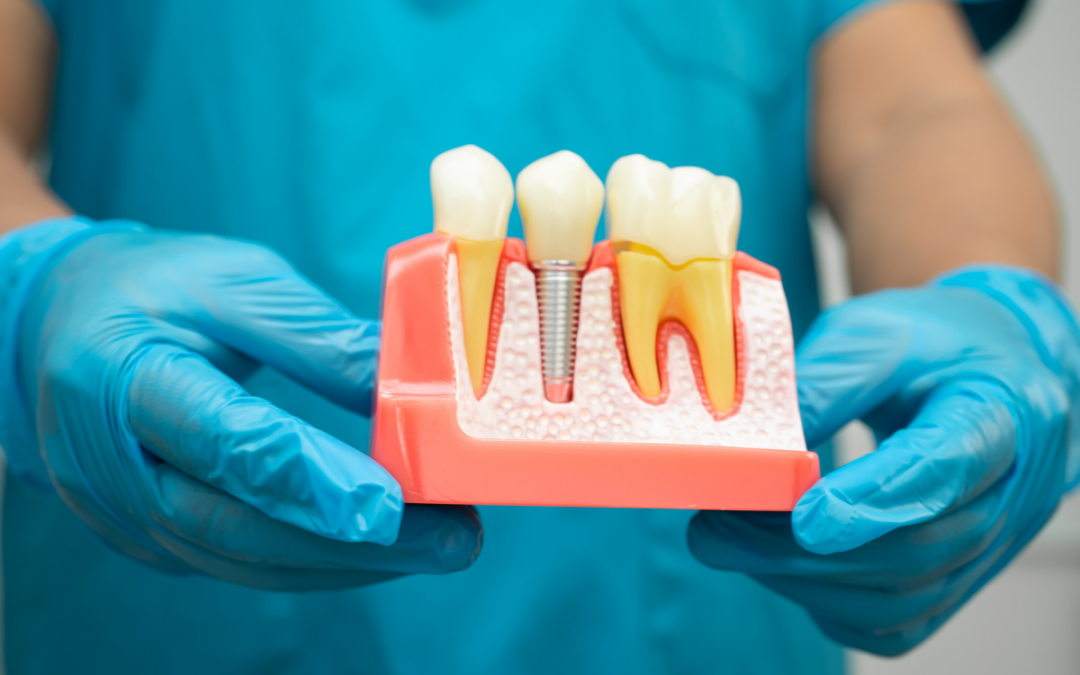
Implants act as artificial tooth roots. They are placed into the jawbone where they fuse with bone tissue through a process called osseointegration. When two teeth next to each other are missing, two implants can often be placed side-by-side to support individual crowns or a connected bridge.
Dentists carefully evaluate the spacing between implants because a proper distance prevents bone loss and ensures healthy gum support. Advanced imaging allows providers to map exact implant positions before surgery. This planning stage is what makes adjacent implant placement predictable and long-lasting.
When Are Two Implants Side-by-Side Recommended?
Placing two implants next to each other is usually recommended when:
- Two neighboring teeth are missing or must be removed.
- The surrounding teeth are healthy and should not be altered.
- Bone density is strong enough for independent support.
- A bridge would place unnecessary stress on nearby teeth.
For example, someone who enjoys classic chili dogs from Skins’ Hotdogs or Southern favorites like fried green tomatoes may want a stable chewing surface again. Adjacent implants restore bite strength better than removable options, making everyday eating easier.
Factors That Determine Eligibility
Not every patient automatically qualifies for two implants. Dentists assess several clinical factors before recommending treatment, such as:
- Bone Volume and Density: Adequate jawbone is essential. If the bone is thin or soft, grafting may be recommended before placement.
- Spacing Between Teeth: There must be enough room to place implants without crowding. Digital scans help measure this precisely.
- Gum Health: Healthy gums reduce infection risk and improve healing.
- Bite Alignment: Your bite pattern must allow implants to function without excessive pressure.
These evaluations are part of the comprehensive dental implants Anderson SC providers perform to ensure long-term success rather than short-term fixes.
Advantages of Getting Two Adjacent Implants
Choosing two separate implants instead of a bridge offers several benefits:
- Preserves natural neighboring teeth.
- Maintains jawbone stimulation.
- Provides independent support for each crown.
- Improves chewing efficiency.
- Creates a more natural appearance.
Patients exploring dental implants in Anderson often prefer this approach because it closely mimics natural tooth structure. Each implant functions independently, similar to real tooth roots.
Can One Implant Support Two Teeth?
Sometimes patients ask if a single implant can hold two crowns. In certain cases, yes. A dentist may place one implant and attach a two-tooth bridge if space is limited or bone is insufficient. However, two implants are usually stronger and more stable when conditions allow.
Think of it like supporting a dock at Lake Hartwell. Two pilings provide better support than one, especially when pressure is applied from different angles. Similarly, two implants distribute biting force more evenly.
Technology That Makes Adjacent Implant Placement Precise
Modern implant procedures rely on advanced diagnostics and planning tools. These technologies help dentists place implants accurately, even when positioning two side-by-side.
Common tools used today:
- 3D cone-beam imaging (CBCT)
- Digital impressions
- Guided surgical templates
- Computer-assisted planning software
Clinics offering dental implants Anderson, SC, often use these systems to map nerve locations, bone thickness, and angulation before surgery begins. This reduces risk and improves predictability.
What to Expect During Recovery and Healing
Healing after adjacent implant placement is similar to single-implant recovery. Most patients experience mild swelling and tenderness for a few days. Over the next several months, the bone bonds with the implant surface.
Typical healing timeline:
- First week: Soft tissue healing.
- First month: Bone stabilization begins.
- Three to six months: Full integration (osseointegration).
Following post-procedure instructions carefully is essential. Avoiding hard foods, maintaining oral hygiene, and attending follow-ups ensure proper healing.
Why Locals Often Choose Implants for Missing Teeth
People who spend time enjoying local favorites like pimento cheese plates, slow-cooked barbecue, and sweet tea often want teeth that function naturally again. Removable appliances can slip or feel bulky, while implants stay fixed and stable.
Many residents visiting places like the Anderson County Museum or strolling downtown prefer solutions that let them speak and smile confidently. Adjacent implants offer that sense of normalcy because they look, feel, and function like natural teeth.
Studies consistently show high success rates for adjacent implants when placed by qualified professionals. With proper care, implants can last decades. Routine brushing, flossing, and checkups are key to maintaining them.
Choosing the Right Provider Matters
Placing two implants side-by-side requires careful spacing calculations, surgical skill, and restorative planning. An experienced provider evaluates bone anatomy, bite force distribution, aesthetic alignment, and crown design. This is why consultations are so important. A thorough exam ensures the treatment plan is customized to your oral structure and long-term goals.
Schedule Your Consultation and Restore Your Bite
Replacing two missing teeth next to each other is entirely possible with today’s advanced techniques. With proper planning, materials, and aftercare, adjacent implants can restore both function and confidence for years.