
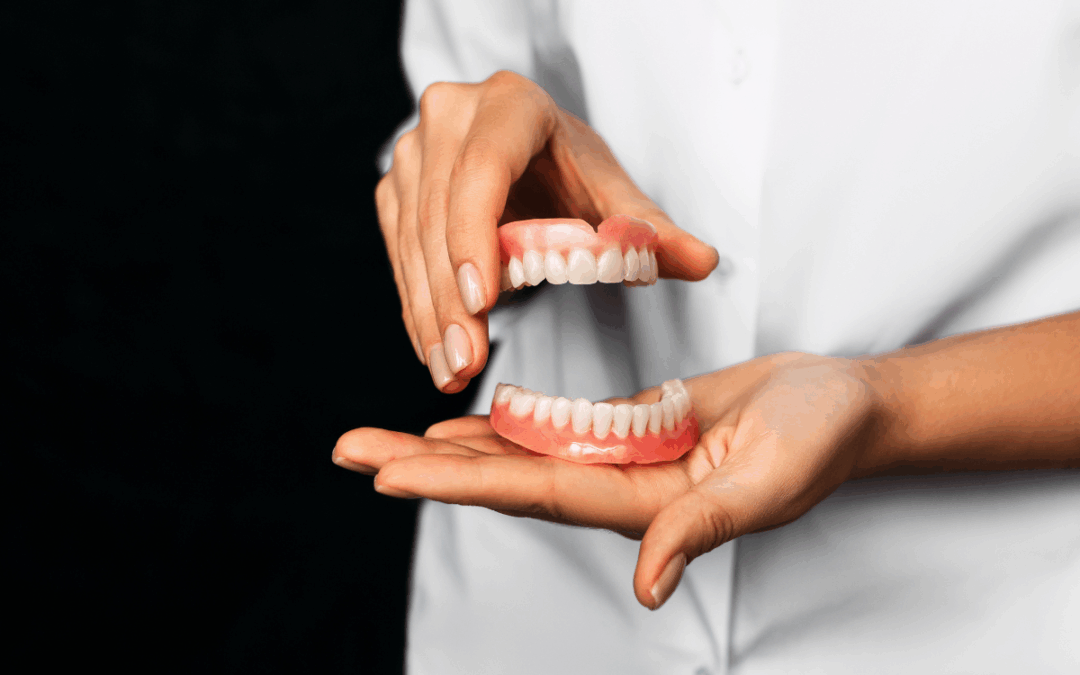
Have you lived without teeth for several years and wondered if getting dentures is still possible? Many assume that replacing missing teeth becomes difficult or even impossible once enough time passes. False teeth can restore your smile and function, even after years without natural teeth. The key is understanding how time affects your jawbone and what solutions are available today.
If you’ve been without teeth for a while, consulting a restorative dentist in Anderson is the first step toward regaining confidence, comfort, and full oral function.
How Time Affects the Jawbone
After tooth loss, the jawbone begins to shrink through resorption. Without the stimulation from chewing, the bone slowly thins and weakens. Over the years, this can change the shape of your face, making your cheeks appear sunken and your mouth smaller.
For someone who hasn’t had teeth for a long time, this bone loss can make it harder to fit traditional artificial teeth comfortably. But that doesn’t mean it’s too late. Modern dentistry offers several ways to restore your smile, even with significant bone loss.
Can You Still Get Dentures After Years Without Teeth?
Yes, in most cases, you can still get dental plates even after many years without teeth. However, your dentist will first assess the condition of your gums and jawbone. This evaluation helps determine the most suitable type of denture and whether additional procedures might be helpful.
In some situations, bone grafting may be recommended to strengthen the jaw. Others may benefit from implant-supported options, which provide greater stability and prevent further bone loss.
Types of Dentures Available
Several types of dentures are designed to meet different needs and comfort levels.
- Conventional Full Dentures: These removable prosthetics replace all missing teeth in the upper or lower jaw. They rest on the gums and are custom-made to match your mouth’s shape.
- Partial Dentures: You still have some natural teeth; partial dental plates fill in the gaps and help maintain proper alignment. They are attached using clasps or small connectors that blend with existing teeth.
- Implant-Supported Dentures: For patients without teeth for years, implant-supported false teeth offer a more secure and long-lasting solution. Dental implants act as artificial roots, anchoring the denture firmly and preventing slippage.
- Immediate Dentures: These are temporary dentures placed right after extractions, so you never go without teeth. Once healing is complete, your dentist can adjust or provide a more permanent option.
Preparing for Dentures After Long-Term Tooth Loss
Getting these tooth restorations after years without teeth requires careful planning and personalized evaluation. Here’s what the process typically includes:
- Comprehensive Oral Exam: Your dentist will assess gum health, bone condition, and oral structure.
- Impressions and Molds: Accurate molds ensure these oral appliances fit comfortably and look natural.
- Fittings and Adjustments: Several fittings may be needed to refine comfort and bite alignment.
- Follow-Up Visits: Regular visits help monitor fit, especially as your mouth adjusts to new dental plates.
The process is simple and designed to ensure your new smile feels as natural as possible.
Benefits of Getting Dentures After Years Without Teeth
Restoring your smile after long-term tooth loss can have both physical and emotional benefits:
- Improved chewing and speech for better daily function.
- Enhanced facial appearance by restoring lost volume and support.
- Better oral health by preventing uneven pressure on gums and jaw.
- Renewed confidence from being able to smile without hesitation.
Even if it has been years since you last had teeth, replacement teeth can significantly improve your quality of life.
How to Care for Your New Dentures
Proper care is essential to maintain comfort and longevity. Brush your false teeth daily using a soft denture brush and a gentle cleanser. Rinse them after eating and soak them overnight in a denture-cleaning solution. Don’t forget to clean your gums and tongue to prevent irritation or infection.
Regular dental visits are also important. Your dentist will check for fit changes and make any adjustments over time.
Restore Your Smile with Confidence
It’s never too late to reclaim your smile and comfort. Even after years without teeth, modern options make it possible to enjoy natural-looking results and improved function. If you’ve been considering dentures, now is the perfect time to explore your options.
Schedule a consultation with Dr. Matthew A. Pray, our restorative dentist in Anderson at Pray Family Dentistry, to discuss your needs and find the right solution for lasting tooth replacement. Your renewed smile and confidence will begin today.
Can I get dentures if my gums have shrunk over time?
Yes. Your dentist can create customized dentures or recommend implant-supported options designed to fit comfortably despite gum or bone loss.
Do dentures stay in place if I’ve had no teeth for years?
They can. New materials and techniques help dentures fit securely. Implant-supported dentures offer the most stable solution.
Will I need surgery before getting dentures?
Not always. Sometimes, minor bone grafting or gum reshaping may improve fit, but many patients can get dentures without surgery.
How long does it take to get dentures?
The process can take a few weeks, depending on your oral condition and the type of dentures chosen.
Will my face shape change after getting dentures?
Yes, in a positive way. Dentures restore facial support, reducing the sunken look caused by tooth and bone loss.
Can dentures look natural?
Modern dentures are custom-designed to match your features, giving you a natural, confident smile.
How often should I replace my dentures?
Most dentures last between 5 and 10 years, but regular checkups will help your dentist decide when adjustments or replacements are needed.