
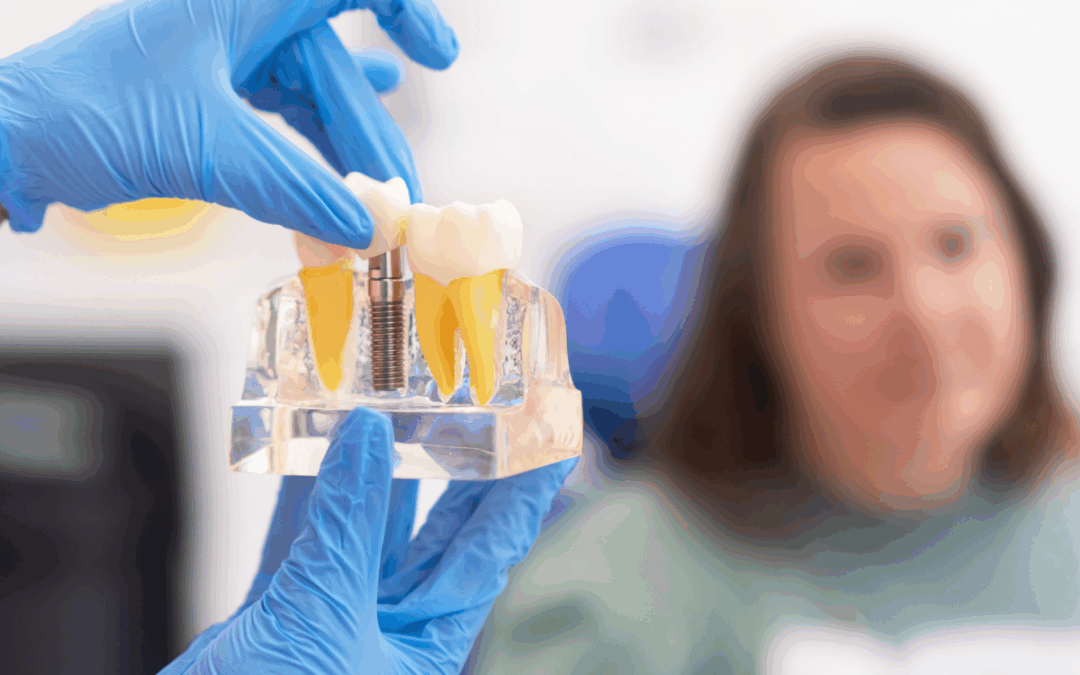
Dental implants are one of the most advanced and reliable solutions for replacing missing or damaged teeth. They offer a long-term, natural-looking alternative to traditional dentures or bridges. If you are considering this advanced teeth replacement treatment, understanding the process is key to ensuring a successful outcome. In this blog, you will learn about each step of the implant procedure, from the initial consultation to full recovery, and we will answer some of the most commonly asked questions.
The Complete Process of Restoring Your Smile With Implants
The process involves several stages, and the entire procedure can take several months. Understanding each stage of the journey will help you feel confident and prepared for your treatment. Here is a breakdown of the steps from consultation to recovery:
Stage 1: Initial Consultation and Planning
Your dental implant journey starts with a detailed consultation. During this visit, your dentist or specialist will evaluate your oral health to determine if implants are the right solution.
- Comprehensive Exam: Your dentist will review your medical and dental history and conduct a physical exam. They may also take X-rays or 3D scans of your jawbone to assess its density and structure and ensure it can support the implant. If your jawbone is insufficient, a bone graft may be necessary, which can add several months of healing time.
- Personalized Treatment Plan: After your evaluation, your dentist will create a treatment plan tailored to your needs. This plan will outline the procedure steps, discuss sedation options, and explain your financing options.
- Preparatory Procedures (If Needed): If necessary, preparatory procedures like tooth extractions or bone grafts will be scheduled. These procedures help create a stable foundation for the dental implant and may require additional time for healing before the implant can be placed.
Stage 2: Implant Placement Surgery
Once your jawbone is ready, the next step is implant placement surgery. This procedure is typically performed under local anesthesia to ensure your comfort.
- The Procedure: During surgery, a small incision is made in the gum tissue, and a titanium implant post is placed into your jawbone. The titanium post acts as an artificial tooth root, offering a stable foundation for your future restoration.
- Temporary Restoration: In some cases, a temporary crown or bridge may be placed immediately after the implant surgery. In other cases, your dentist will allow the site to heal before proceeding to the next stage.
Stage 3: Healing and Osseointegration
The healing phase, or osseointegration, is the most critical part of the implant process. Over the next three to six months, your jawbone will naturally fuse with the titanium implant post, which is essential for the treatment’s success.
- Osseointegration: During this period, the titanium implant integrates with your jawbone, creating a strong and stable foundation. This process ensures the implant will remain securely in place for many years.
- Healing: The soft tissue around the implant will take about one to two weeks to heal. To avoid complications, it is important to follow your implant specialist’s aftercare instructions during this time.
Stage 4: Abutment Placement
Once the implant has successfully fused with the bone, it is time for the next stage: placing the abutment. The abutment is a small connector post that will hold your final restoration in place.
- The Procedure: To place the abutment, your dentist will perform a minor procedure to gently reopen the gum tissue and attach the abutment to the implant post. A healing collar may be placed around the abutment to help the gum tissue heal correctly.
- Healing: The gums will need one to two weeks to heal around the abutment before your final restoration can be placed. This healing period is necessary for your gums to adapt to the new abutment and ensure the restoration fits well.
Stage 5: Final Restoration and Aftercare
The final step in your dental implant journey is placing your permanent restoration. Depending on your specific needs, this could be a crown, bridge, or denture.
- Impression and Fabrication: Your dentist will take impressions of your mouth to create a custom restoration that matches the color, size, and shape of your natural teeth. The restoration will be carefully designed to blend seamlessly with your smile.
- Placement: Once your restoration is ready, it will be securely attached to the abutment, completing the dental implant process. With your new restoration in place, you will be able to smile with confidence and enjoy a fully functional set of teeth.
- Long-Term Care: Implants require the same care as natural teeth. Brushing twice a day with a soft-bristle toothbrush, flossing daily, and attending regular dental check-ups are essential for maintaining their longevity. It is also important to avoid habits like smoking or chewing on hard objects that could damage the implant.
Ready for a Picture-Perfect Smile Restoration?
Implants are a permanent and reliable solution for those who want to regain their smile and improve their quality of life. The process, while comprehensive, is designed to ensure that your new smile looks natural, feels comfortable, and lasts for many years. With proper care and attention, these artificial tooth roots can transform your appearance and enhance your confidence. If you are ready to take the next step and explore whether dental implants are the right solution for you, it is important to consult with an experienced dental professional.
At Pray Family Dentistry, we specialize in offering high-quality implants with personalized care tailored to your needs. Whether you need a consultation or have specific questions about the procedure, we are here to help. Schedule a consultation and start your journey toward a healthier, more confident smile. We look forward to working with you to restore your oral health and give you a smile you can be proud of! Should you ever experience a sudden dental crisis, knowing where to find an emergency dentist near me is crucial for prompt care, as is having access to reliable emergency dentistry Anderson services.
How Long Does It Take to Get Dental Implants?
The entire process typically takes several months. After your initial consultation, the implant surgery is performed, followed by a healing period where the implant integrates with your bone. After healing, the abutment is placed, and the final restoration is attached, which can take a few more weeks.
Are dental implants the most effective choice for replacing missing teeth?
Yes, dental implants are often the best option for replacing missing teeth. They offer a permanent solution and provide a natural look and feel. Implants are also effective at preventing bone loss, a common issue when teeth are missing.
What Are the Risks and Complications of Dental Implant Surgery?
While dental implants are safe for most people, like any surgery, there are potential risks. These include infection, nerve damage, or issues with osseointegration. However, these risks are rare and can be minimized with proper care and an experienced dental professional.
How Do I Care for My Dental Implants After Surgery?
Caring for dental implants involves maintaining good oral hygiene, including regular brushing and flossing. Your dentist may provide additional recommendations or tools to clean around your implants. Regular check-ups are essential to monitor the health of the implants.