
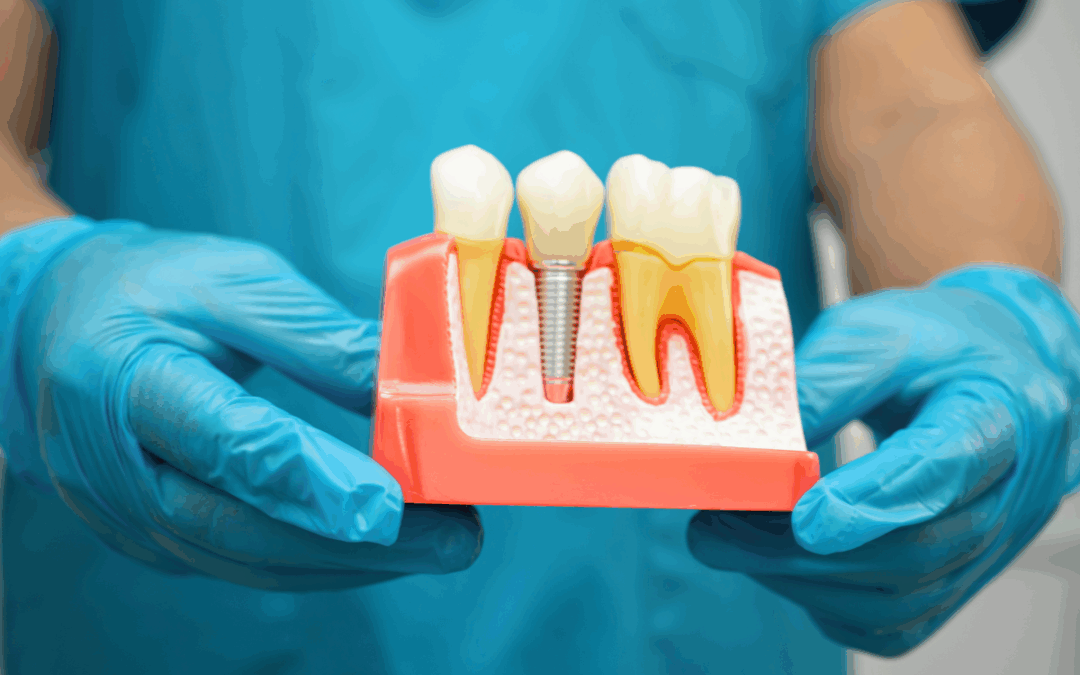
Dental implants are a significant investment, and with the right daily care, they can give you a long-lasting smile. If you’re living in this city, you know how important it is to maintain a healthy smile. Whether you’re walking through downtown or spending time at Lake Hartwell, feeling confident about your dental health makes a difference.
When it comes to restoring missing teeth, dental restorations have become the right choice for many patients. Not only do they offer a durable and natural-looking solution, but they can also last for many years when properly cared for. This blog will explore the factors that affect the lifespan of your prosthetic teeth and provide tips on how to maximize their longevity.
How Long Can Dental Implants Last with Proper Care?
Dental restorations are designed to be a permanent solution for missing teeth, and with the right maintenance, they can last for decades. On average, they can last anywhere between 20 and 30 years, sometimes even longer. However, if you are considering dental implants in Anderson, SC, understand that their longevity depends on several factors, including:
- Oral Hygiene: Maintaining proper oral hygiene is key. Brushing twice a day, flossing, and using mouthwash will help prevent bacteria build-up that could result in the failure of dental implant surgery.
- Regular Dental Visits: Routine check-ups are essential to monitor the condition of your fixtures and detect any potential issues early.
- Diet and Lifestyle: Avoiding habits like smoking and limiting sugary foods can help protect your prosthetic teeth. A balanced diet rich in calcium and vitamins will also support the overall health of your restoration.
- Bone Health: A healthy jawbone is essential for restoration stability. Conditions like osteoporosis can affect how well the fixtures integrate with your bone, so maintaining bone health is crucial.
Key Factors That Affect Dental Implant Longevity
Here are the factors that influence the lifespan of your dental restorations:
Oral Hygiene – Keeping your restoration clean and free from plaque is critical to its longevity. Just like natural teeth, they need to be cleaned regularly. Use non-abrasive toothpaste and a soft toothbrush to avoid damaging the surface. Flossing daily will help remove any debris between the fixture and surrounding teeth.
Lifestyle Choices – Certain habits can contribute to treatment failure, especially those that affect the mouth. Residents who enjoy sugary snacks or excessive coffee should be mindful of how these items can impact dental health. Smoking, in particular, can affect the healing process and compromise the restoration’s stability.
Regular Professional Care – Even with excellent home care, regular professional maintenance is necessary. During your dental visits at Pray Family Dentistry, your dentist will ensure that the restoration is properly integrated with your jawbone and address any issues before they become serious problems.
How Can I Maximize the Lifespan of My Prosthetic Teeth?
To ensure your dental implants in Anderson, SC, last as long as possible, follow these daily and long-term care practices:
- Brush and floss regularly to prevent gum disease.
- Avoid chewing on hard objects like ice or pens.
- Quit smoking, as it can impede the healing process and cause gum recession.
- Schedule annual check-ups to ensure everything is in good condition.
Anderson’s diverse climate, with humid summers and cooler winters, can also affect how you care for your prosthetic teeth. For instance, during colder months, it’s common for people to experience dry mouth, which can impact oral health. Always drink plenty of water and use moisturizing mouthwashes when needed.
Restore Your Oral Health with Our Dental Implants
If you’re looking for a long-lasting solution to missing teeth, dental restorations can provide you with the confidence to smile for years to come. With proper care, they can last decades, ensuring you maintain optimal oral health. If you’re considering prosthetic teeth, don’t hesitate to visit Pray Family Dentistry for a consultation. Our expert team will guide you every step of the way to ensure your implants last a lifetime. Call us today to schedule your consultation and take the first step toward restoring your smile!
FAQs
How can I tell if my dental implant is failing?
Signs that a restoration might be having trouble include experiencing pain around the area, noticing it feels loose, or observing swollen gums. If you notice any of these signs, please don’t hesitate to reach out to your dentist right away.
Can I get a prosthetic tooth if I have gum disease?
It’s important to treat gum disease before your dental implant surgery. Your dentist will work with you to make sure your gums are in great shape to support the restoration, helping to ensure everything goes smoothly.
How soon after dental implant surgery can I eat normally?
You should avoid chewing on the surgical site for a few weeks. Soft foods are recommended immediately after surgery, with a gradual return to normal eating habits after your dentist clears you.
Do I need to avoid anything specific after getting prosthetic teeth?
It’s best to steer clear of chewing hard foods and avoid smoking. Maintaining good oral hygiene is really important to help prevent any issues and to keep your smile healthy and beautiful for the long run.
Are dental implants visible?
Dental restorations are meticulously designed to closely mimic the appearance of your natural teeth. They are crafted with attention to detail to provide a smooth, authentic, and seamless look that blends effortlessly with your existing teeth.