
Many people feel a bit uneasy when they hear they might need a root canal. Sometimes, this fear comes from old stories or just some misinformation. However, the good news is that modern dental care has really improved how this procedure is done and experienced. Today, it’s all about making patients comfortable, being precise, and providing relief from pain, not causing more.
Taking care of your teeth becomes easier when you see how it fits into your daily life. Tooth pain doesn’t wait for the perfect moment; it can happen during family outings or peaceful evenings at home. On those humid summer nights near downtown Anderson, sudden sensitivity can become especially uncomfortable, highlighting the importance of quick care. Dealing with dental issues early on can help keep your day running smoothly and avoid unnecessary disruptions.
After a relaxing day at Lake Hartwell, sudden tooth pain can disrupt peace, so seeing a dentist promptly is important. Knowing what actually happens during the treatment can help ease any worries and turn them into confidence. In this blog, find out everything you need to know about root treatment.
What Is a Root Canal and Why Might You Need One?
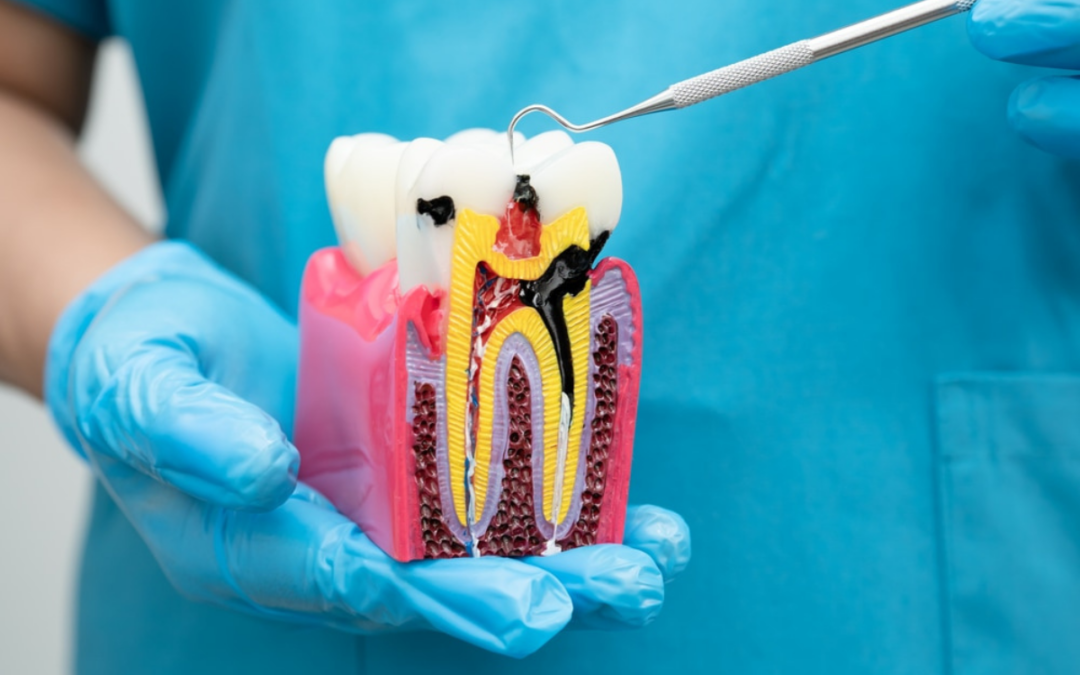
A root therapy is a procedure that treats infection inside a tooth. When bacteria reach the inner pulp, it can lead to pain, swelling, or sensitivity. This treatment removes the infected tissue and helps save the natural tooth. You might need this procedure if you notice:
- Persistent tooth pain
- Sensitivity to hot or cold that lingers
- Swelling around the gums
- Darkening of a tooth
- Pain when chewing
Paying attention to these signs can make a big difference. Taking action early to get root canal therapy in Anderson helps keep your beautiful smile intact. It also prevents additional problems from developing later.
What to Expect During a Root Canal Procedure?
Many people used to think this procedure was painful, but nowadays, thanks to modern techniques, patient comfort is a top priority. Here’s a brief overview of what you can anticipate:
- The area is numbed to prevent discomfort.
- The affected tooth is carefully accessed.
- Infected tissue is removed from inside.
- The space is cleaned and sealed.
- A protective restoration is placed afterward.
The process is meant to ease your pain, not cause any discomfort. Many patients say it feels quite similar to getting a filling.
Debunking Common Root Canal Myths
There are several myths that continue to create unnecessary fear. Let’s clear up a few of them.
Myth 1: The procedure is extremely painful
Modern dentistry uses advanced numbing techniques. Most patients feel little to no discomfort.
- Myth 2: It is better to remove the tooth
Saving your natural tooth helps maintain proper bite and jaw structure.
- Myth 3: Recovery takes a long time
Most people return to normal routines within a day or two.
- Myth 4: The results do not last
With proper care, treated teeth can last for many years.
The Benefits of Modern Root Therapy
Advancements in dental technology have transformed this procedure into a predictable and comfortable solution. Benefits include:
- Relief from persistent tooth pain
- Preservation of the natural tooth
- Improved chewing ability
- Prevention of the spread of infection
- Restoration of normal function
These advantages make the procedure a practical option for protecting long-term oral health.
What Makes This Procedure Easier Than You Think?
This is where most perceptions change. The process of root canal in Anderson is designed with patient comfort in mind. These are the advancements you will experience during the treatment:
Advanced Techniques Improve Comfort
Thanks to modern tools, treatments now happen more precisely and gently. It helps to make the entire experience much more comfortable during and after the procedure.
Focus on Pain Relief
The aim is to target and remove the cause of discomfort. Luckily, many patients experience relief shortly after treatment, making the journey to feeling better a comforting one.
Efficient Appointments
Most procedures can be completed in just one or two visits, making the whole process straightforward and stress-free.
Better Healing Experience
With the right care, healing can be smooth and easy. Any discomfort, if it occurs, is typically mild and passes quickly.
Aftercare and Recovery Tips
Taking care of your tooth after the procedure helps ensure long-lasting results. Follow these simple steps:
- Avoid chewing on the treated side for a few days.
- Maintain good oral hygiene habits.
- Take recommended medications if prescribed.
- Attend follow-up visits as advised.
- Avoid very hard or sticky foods initially.
Even during busy weekends at the Anderson County Fair, taking a moment to follow proper aftercare can help maintain comfort and protect your treated tooth.
Why Delaying Treatment Can Make Things Worse?
Ignoring symptoms may seem manageable at first. However, untreated infections can spread and cause more serious issues. Delaying care may lead to:
- Increased pain and sensitivity
- Swelling or abscess formation
- Damage to surrounding teeth
- More complex treatment later
Acting early helps avoid unnecessary complications and keeps treatment straightforward.
Finding Relief and Confidence with Us
Root canals nowadays have come a long way, becoming more precise, efficient, and centered on patient comfort. Knowing what to expect can help ease any fears and motivate you to seek care sooner. Choosing the right time for treatment truly makes a difference. At Pray Family Dentistry, we prioritize making our patients feel comfortable and supported as we work together to restore your oral health. If tooth pain bothers you, now is the time to get relief with our root canal treatment. Book an appointment with us now!
FAQs
1. How long does the procedure usually take?
Most treatments usually last around 60 to 90 minutes, but this can vary depending on the tooth and how much infection there is. Sometimes, you might need a second visit to fully finish the process. We’re here to help you through every step!
2. Can the treated tooth function normally afterward?
Once restored, your tooth can work just like any other, making everyday activities like chewing and biting easy and natural. Taking good care of it will help keep it strong and durable for years to come.
3. Is there any special diet after the procedure?
It’s best to start with soft foods for the first few days, so try to avoid very hard or sticky items. As you begin to feel more comfortable, you can gradually reintroduce a normal diet. Take things at your own pace, and be gentle with yourself during this recovery period.
4. Will the tooth look different after treatment?
The appearance stays naturally beautiful after restoration. A crown or filling not only helps keep everything working well but also preserves a lovely look. Most people can’t even tell the difference.
5. Can infection return after treatment?
While it’s not very common, it can happen if you’re not careful. Maintaining good oral hygiene and visiting your dental practitioner regularly can really help prevent reinfection. Don’t forget, paying close attention to any new symptoms early on can make a big difference.
6. Is this procedure suitable for all age groups?
This treatment is usually suitable for both adults and older children. Of course, the best choice depends on the condition of the tooth. A friendly dental evaluation can help us figure out the most suitable approach for each individual.