
Many people dread the mention of dental work, especially when it involves deeper interventions. A root canal often tops that list of fears, conjured up in myths about pain and complications. But what if much of what you’ve heard isn’t the full story? This procedure has saved countless teeth and restored smiles for decades. Let’s peel back the layers to reveal the facts, helping you approach it with confidence rather than anxiety.
What Exactly Is A Root Canal?
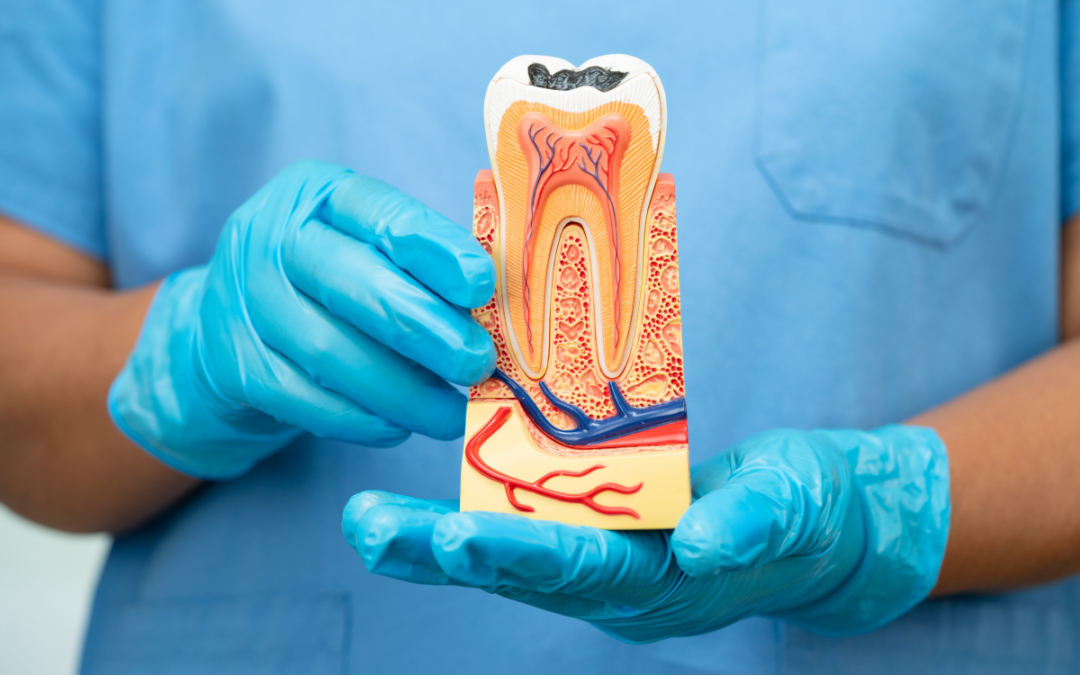
A root canal, also known as endodontic treatment, is a procedure used to repair and save a severely damaged or infected tooth. The treatment targets the tooth’s pulp, which houses nerves, blood vessels, and connective tissue. When the pulp becomes infected due to decay, injury, or repeated dental procedures, bacteria can invade, leading to pain and potential abscesses.
Without treatment, extraction may be the only option, leaving gaps that can affect chewing, speaking, and alignment. The procedure involves removing the infected pulp, cleaning the canal, and sealing it to prevent further issues. With modern techniques, root canal treatment in Anderson has become a routine, effective solution. In fact, it has a success rate of over 95%, according to the American Association of Endodontists.
Common Myths vs. Reality Of Endodontic Treatment
There are several myths surrounding RCT. Let’s clear them up:
- Myth: Root canals are extremely painful. Reality: With today’s advanced anesthetics, an RCT is no more painful than a typical filling. Post-treatment discomfort is mild and can usually be managed with over-the-counter pain relievers.
- Myth: A root canal is just a temporary fix. Reality: A well-performed surgery, followed by a crown, can last a lifetime when maintained with proper oral hygiene.
- Myth: Antibiotics alone can fix the issue. Reality: Antibiotics only treat the symptoms. An RCT removes the source of infection inside the tooth, which is essential for long-term oral health.
Signs That You Might Need A Root Canal
Recognizing the signs that you need root canal treatment, Anderson can help you seek treatment early, preventing further complications. If you experience any of the following symptoms, it’s time to schedule an appointment:
- Severe tooth pain: Especially when chewing or applying pressure.
- Sensitivity: Prolonged sensitivity to hot or cold that doesn’t subside.
- Swelling: In the gums near the affected tooth, often accompanied by tenderness.
- Discoloration: A tooth that becomes dark or discolored due to infection.
If you’re enjoying the South Carolina Sunflower Festival, the last thing you want is to be sidelined by tooth pain. Addressing these symptoms early can help you get back to doing what you love.
What To Expect During The Procedure?
An endodontic procedure usually takes one to two visits. Here’s a breakdown of the steps involved:
1. Diagnosis & Numbing: X-rays are taken to confirm the problem. A local anesthetic will be used to numb the area, so you will feel no pain during the procedure.
2. Accessing the Pulp: The dentist makes a small opening in the tooth to access the pulp. The infected material is removed using specialized instruments.
3. Cleaning & Shaping: The tooth’s interior is cleaned and shaped to prepare for a filling. Disinfectants are used to ensure all bacteria are removed.
4. Sealing The Tooth: The canal is filled with gutta-percha, a biocompatible material that seals the tooth and prevents further infection. A temporary filling is placed until a permanent restoration is applied.
5. Restoration: Once the surgery is complete, a crown is typically placed on the tooth to restore its strength and appearance. This ensures the tooth functions properly without the risk of fracture.
Why Root Canal Therapy Stands Out?
Pulp therapy is a valuable treatment not just for pain relief but also for preserving your natural tooth. Here’s why it’s often the best option:
- Retain Your Natural Tooth: Rather than opting for an implant or bridge, an RCT allows you to keep your natural tooth, which functions better and looks more natural.
- Aesthetic Results: Once completed, the tooth is restored with a crown, blending seamlessly with the rest of your teeth for a natural look.
Recovery And Aftercare: What Happens Next?
Recovery from a dental pulp removal surgery is relatively quick, but there are a few things to keep in mind. Most patients can return to normal activities within a few days. Your local dentist will provide specific instructions, which might include:
- Avoid chewing on the treated side until it is fully restored.
- Use ice packs if there is swelling.
- Stick to soft foods until the tooth is restored with a permanent crown.
- Maintain good oral hygiene by brushing, flossing, and using an antiseptic mouthwash to keep the area clean and prevent infection.
Receive Stress-Free Root Canal Therapy At Pray Family Dentistry
If you’re diagnosed with an infected tooth and are suggested for a root canal treatment, don’t delay. Addressing the problem early will prevent further damage and save your tooth. Whether you’re attending The Great Anderson County Fair or the Anderson Soirée, your smile should be one less thing to worry about. Endodontic surgery is a simple and effective way to relieve pain and restore your tooth to full health.
Book an appointment with our trusted dentist today and take the first step toward better dental health and a pain-free smile.
Frequently Asked Questions (FAQs)
1. How do I know if I need a root canal?
Persistent tooth pain when biting or lingering sensitivity to hot and cold often signals an infection deep in the pulp. Swelling, gum bumps, or discoloration around the tooth also warrant evaluation by a dentist.
2. Is a root canal better than tooth extraction?
Saving your natural tooth with a root canal preserves chewing function and jaw alignment, reducing the need for future restorative work. Extraction may require additional procedures that increase complexity and impact surrounding teeth.
3. What should I expect during recovery from an endodontic surgery?
Most people experience mild soreness rather than severe pain after the procedure, usually managed with over‑the‑counter pain relief. Rest, gentle hygiene, and avoiding hard foods help ensure a smooth recovery phase.
4. Can a root canal fail, and why?
Root canal failure can occur when a canal is missed, re‑infects, or if a restoration leaks and allows bacteria back in. Follow‑up care and proper sealing reduce the risk and support long‑term success.
5. Will a root canal change the way my tooth feels?
After healing, most treated teeth feel normal because the infection and its associated nerve pain have been removed. While slight sensitivity can linger temporarily, long‑term sensitivity is similar to that of healthy surrounding teeth.